Aug 12, 2026 Yoga Leggings
10 Questions to Ask an Activewear Manufacturer Before Placing Your First Order
Before placing your first activewear order, ask about MOQ, fabrics, sampling, quality control, private labeling, pricing, lead time, and production support.
10 Questions to Ask an Activewear Manufacturer Before Placing Your First Order
Choosing an activewear manufacturer is an important decision for any growing apparel brand.
The right factory should do more than produce garments. A reliable manufacturing partner should be able to understand your product requirements, recommend suitable materials, develop samples, manage bulk production, and maintain consistent quality.
Before placing your first activewear order, asking the right questions can help you compare manufacturers more effectively and avoid unexpected problems during production.
Here are 10 questions we recommend brands ask before starting an activewear manufacturing project.
1. What Is Your MOQ for Activewear Production?
MOQ, or minimum order quantity, is one of the first things a brand should understand.
There is no universal MOQ for every activewear product. The quantity may depend on the product style, fabric, color, customization, production process, and packaging requirements.
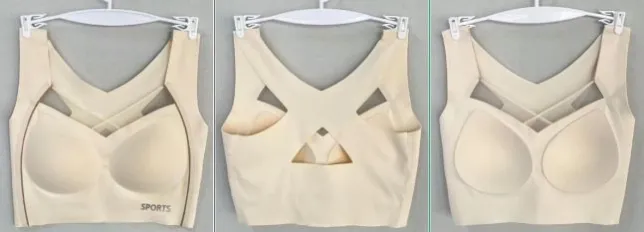
For example, the requirements for custom yoga leggings may be different from those for sports bras, seamless activewear, or other specialized products.
Before placing an order, ask:
- What is the MOQ per style?
- Is MOQ calculated by style or color?
- Can different sizes be included in one order?
- Can multiple colors be produced together?
- Are smaller quantities possible for new brands?
A clear understanding of MOQ helps brands plan their first collection more realistically.
2. Can You Develop Custom Activewear From My Design or Reference Sample?
Many brands do not start with a complete technical package.
They may have:
- A sketch
- Product photos
- A reference garment
- A tech pack
- Fabric requirements
- Or simply an idea
A capable activewear manufacturer should be able to understand these requirements and determine what is needed to move the product toward production.
Ask about support for:
- Custom product development
- Pattern development
- Sample making
- Fit adjustments
- Fabric sourcing
- Construction recommendations
- Custom colors
- Private labeling
The more complex the product, the more important the development process becomes.
3. What Fabrics Can You Source for My Product?
Fabric selection has a direct impact on the performance, appearance, comfort, and cost of activewear.
Depending on the product, brands may consider:
- Nylon / Spandex
- Polyester / Spandex
- Recycled Nylon
- Recycled Polyester
- Seamless knitted fabrics
But simply knowing the fabric composition is not enough.
Brands should also consider:
- Stretch and recovery
- Fabric weight
- Opacity
- Hand feel
- Durability
- Pilling resistance
- Moisture management
- Color performance
A good manufacturer should be able to explain why a particular fabric is suitable for your product instead of simply offering the lowest-cost option.
4. How Does Your Sample Development Process Work?
Before bulk production begins, sampling allows both the brand and manufacturer to evaluate the product.
A typical development process may include:
Product requirements → Fabric selection → First sample → Fit review → Adjustments → Final sample approval → Bulk production
Ask the manufacturer:
- How many sample rounds are normally required?
- Can measurements be adjusted after fitting?
- Can alternative fabrics be tested?
- How are comments and revisions managed?
- What happens after the final sample is approved?
A structured sample development process can reduce misunderstandings before production begins.
5. How Do You Control Quality During Bulk Production?
This is one of the most important questions for any activewear buyer.
An approved sample does not automatically guarantee that every bulk-production piece will be identical.
Quality control should cover areas such as:
- Fabric quality
- Measurements
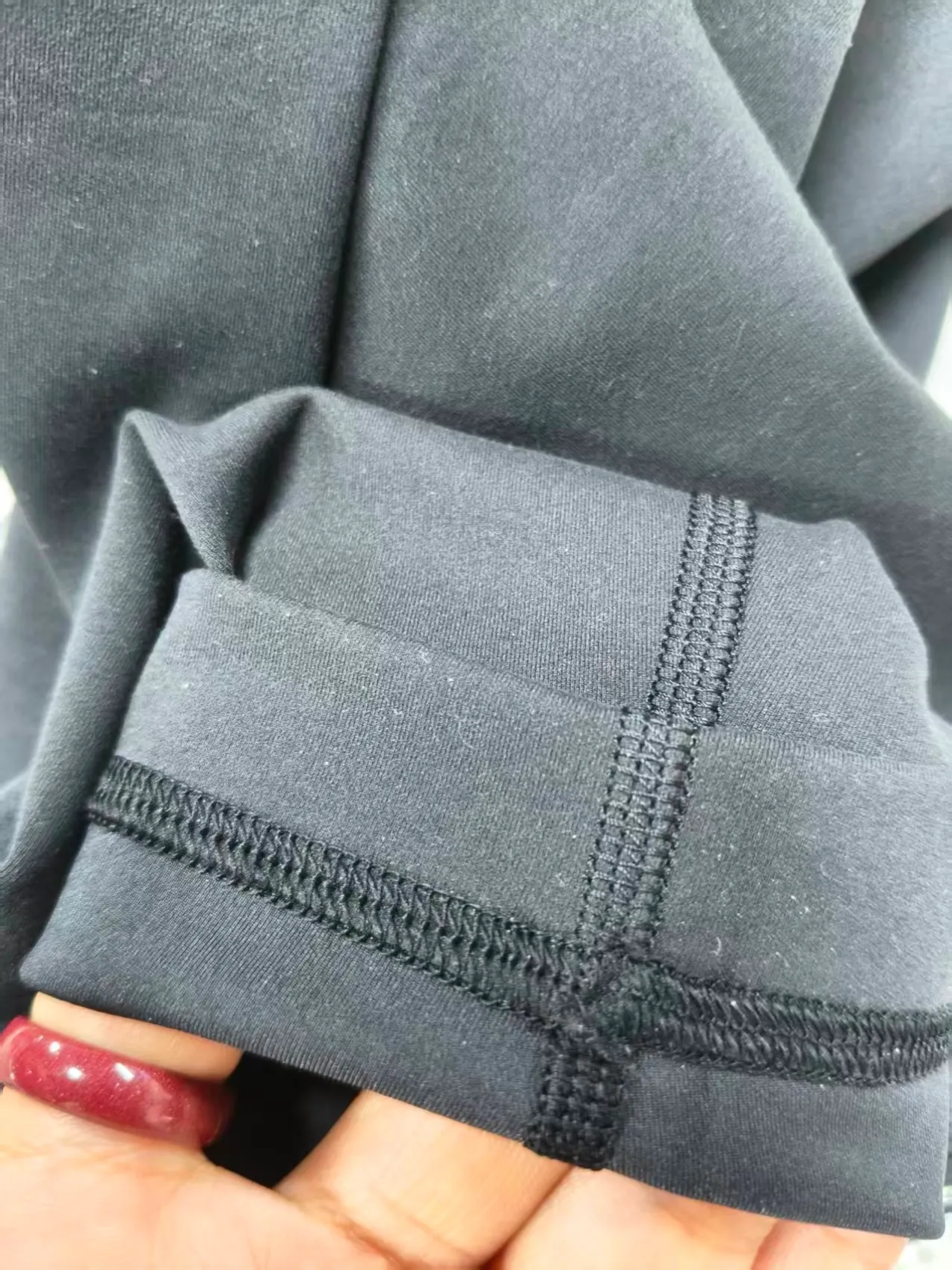
- Stitching
- Seam construction
- Color consistency
- Logo placement
- Labels
- Finishing
- Packaging
Brands should understand whether quality is checked only at the end or monitored throughout the production process.
For activewear, consistent quality requires attention to both the materials and the finished garment.
6. How Do You Make Sure Bulk Production Matches the Approved Sample?
One of the most common concerns during apparel production is the difference between the approved sample and the bulk order.
This can happen when production specifications are not clearly controlled.
Before bulk production, important details should be confirmed, including:
- Approved fabric
- Fabric weight
- Approved color
- Measurements
- Construction details
- Stitching requirements
- Logo specifications
- Labels
- Packaging
A clear pre-production approval process helps establish a consistent production standard.
7. Can You Provide Private Label and Custom Branding?
For brands building their own identity, manufacturing goes beyond the garment itself.
Depending on the project, private label and branding options may include:
- Woven labels
- Printed labels
- Hangtags
- Custom logos
- Packaging
- Custom colorways
- Branded accessories
Before production, ask which customization options are available and whether they have additional MOQ, sampling, or production requirements.
Clear communication about branding details can prevent costly changes later.
8. What Is Included in Your Quotation?
When comparing manufacturers, the lowest unit price is not always the lowest total cost.
A quotation may include different levels of customization and production services.
Ask whether the quoted price includes:
- Fabric
- Trims
- Labels
- Logo application
- Packaging
- Special construction
- Custom colors
- Sampling
- Other required components
A detailed quotation makes it easier to compare different suppliers fairly.
For brands placing their first order, understanding the complete cost structure is particularly important.
9. What Is Your Production Lead Time?
Production lead time can affect product launches, inventory planning, marketing campaigns, and seasonal collections.
Ask the manufacturer to clarify the timeline for:
- Sample development
- Fabric preparation
- Bulk production
- Quality inspection
- Finishing and packaging
Lead time depends on factors such as product complexity, fabric availability, order quantity, and customization.
A professional manufacturer should provide a realistic production schedule rather than simply promising the shortest possible lead time.
10. Who Will Manage My Project?
This question is often overlooked.
Activewear development involves many details, from fabric and measurements to construction, labeling, packaging, and production timing.
Brands should know:
- Who is responsible for the project?
- Who handles sample revisions?
- How are production updates communicated?
- Who should be contacted when a problem occurs?
Clear communication is especially important when developing customized activewear.
A reliable project contact can make the entire process more efficient.
What Should You Look for in an Activewear Manufacturer?
After asking these questions, avoid choosing a manufacturer based on price alone.
A suitable activewear manufacturing partner should ideally combine:
- Product development experience
- Fabric sourcing capability
- Clear communication
- Reliable sample development
- Consistent bulk production
- Quality control
- Private label support
- Transparent quotations
- Realistic production schedules
The lowest quotation may not always provide the best overall value.
For a growing activewear brand, product consistency, communication, development support, and production reliability can be just as important as the unit price.
What Should You Prepare Before Contacting a Manufacturer?
You do not need to have every detail finalized before contacting a factory.
However, providing basic project information can make the first discussion much more productive.
Useful information includes:
- Product type
- Reference photos or samples
- Target fabric
- Estimated quantity
- Desired colors
- Size range
- Branding requirements
- Packaging requirements
- Target market
- Target price, if available
If you already have a tech pack or reference sample, sharing it allows the manufacturer to evaluate the project more accurately.
If you only have a product concept, that can also be a starting point for a development discussion.
A Reliable Manufacturing Process Starts With Clear Communication
Choosing an activewear manufacturer is not simply about finding a factory that can make garments.
It is about finding a production partner that understands your requirements and can maintain those requirements throughout development and bulk production.
The best manufacturing relationship usually starts with clear questions, realistic expectations, and detailed product information.
The earlier these details are discussed, the easier it becomes to identify potential production challenges before they become expensive problems.
Key Takeaways
Before placing your first activewear order, ask your manufacturer about:
- MOQ
- Custom product development
- Fabric sourcing
- Sample development
- Quality control
- Sample-to-bulk consistency
- Private labeling
- Complete quotation
- Production lead time
- Project communication
These questions can help brands make a more informed decision when comparing activewear manufacturers.
Looking for an Activewear Manufacturing Partner?
At LUCKYLIFEGEAR, we support brands with activewear product development and manufacturing, from initial product requirements and material selection through sampling, bulk production, and quality control.
Whether you are developing yoga leggings, sports bras, activewear sets, or other performance apparel, you can start with a product idea, reference sample, or technical specification.
Have a product you would like to develop? Contact our team to discuss your requirements and production plan.