Jun 26, 2026Success Stories
Why Many Garment Factories Struggle with On-Time Delivery — And How We Solve It
On-time delivery becomes the natural result.
Why Many Garment Factories Struggle with On-Time Delivery — And How We Solve It
After many years in the apparel industry, we’ve noticed something interesting.
When brands first look for a factory, the first question is usually about price.
But after working together for a while, what matters most becomes something else:
Delivery time.
At the sampling stage, everything usually goes smoothly.
But once bulk production starts, problems begin to appear.
Orders get inserted into the schedule.
Production planning becomes chaotic.
Some styles suddenly don’t have skilled operators available.
And the result is simple:
Delivery dates keep getting delayed.
In many cases, it’s not because workers aren’t working hard.
The real issue is often how production is organized.
Over the past few years, we made several adjustments inside our factory with one clear goal:
Create the right production rhythm for different types of orders.
1️⃣ Small Orders & Quick Reorders — A Dedicated “Boutique Team”
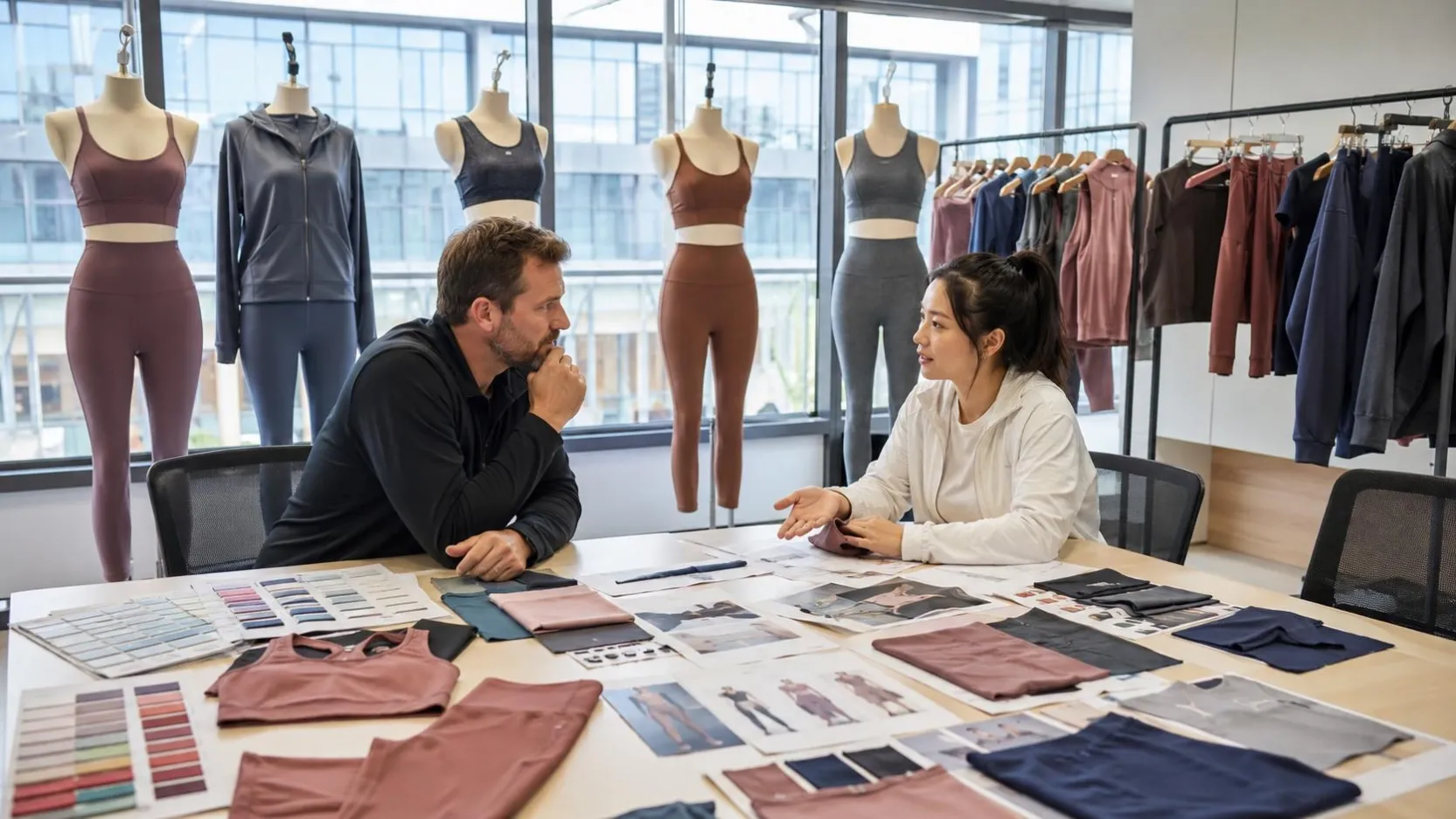
Today many brands test the market with small batches.
For example:
• Start with 300 pieces
• Test market response
• Decide whether to reorder
If these orders go into a traditional production line, they are easily pushed aside by large orders.
So we created a dedicated “Boutique Team.”
This team focuses only on:
• Small batch orders
• New style testing
• Fast reorders
To maintain stability, we provide a guaranteed base salary to the team members, so fluctuations in order volume don’t affect their motivation.
Each order is scheduled backwards from the client’s target delivery date.
With experienced operators working in a focused small team, small orders can actually move faster.
2️⃣ Bulk Production — Specialists by Product Category
Different products require very different skills.
For example:
• Sports bras
• Yoga leggings
• Athletic skirts
• Bodysuits
If workers switch between bras today, leggings tomorrow, and skirts the day after, efficiency and consistency will suffer.
So we made a simple change in our workshop:
Let each operator focus on the product they know best.
Some specialize in sports bras.
Some focus on yoga leggings.
Others work mainly on athletic skirts.
Over time, their understanding of construction, stitching techniques, and details becomes deeper.
Naturally, efficiency improves.
3️⃣ Production Teams Organized by Client
Beyond product specialization, we also refined our team structure.
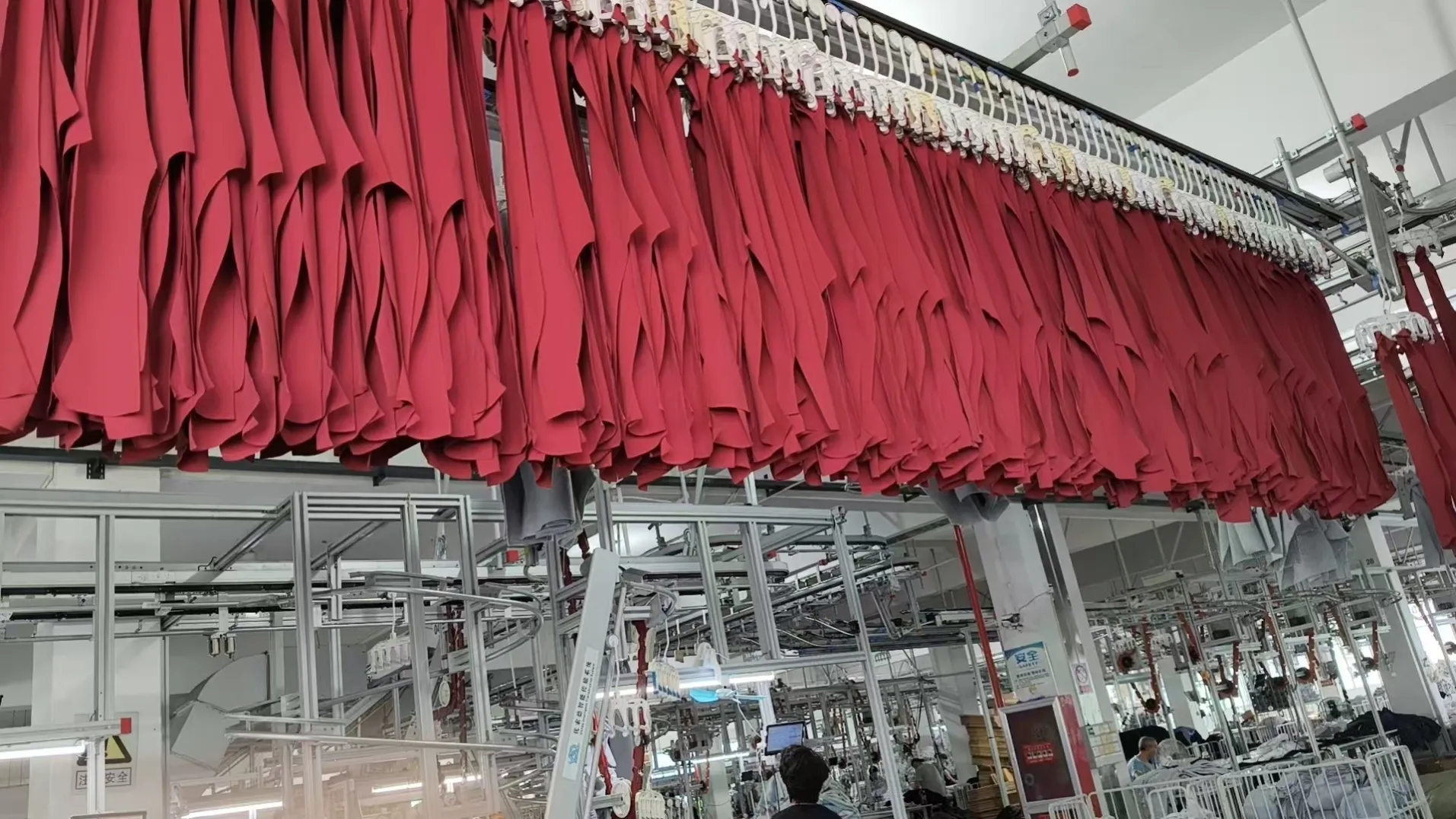
Our factory now roughly includes:
• Boutique Team – small orders & fast turnaround
• Bulk Production Team – stable mass production
• Brand Team – long-term partner brands
For some long-term partners, we even assign relatively fixed production teams.
Over time, the team becomes familiar with:
• what the brand cares about
• the designer’s preferred details
• the quality expectations
When people know the brand well,
the product becomes easier to make right.
Final Thoughts
Many people think unstable delivery times are just part of the apparel industry.
But in reality, many delays are not about production capacity —
they’re about production management.
Small orders require one logic.
Bulk orders require another rhythm.
When a factory truly understands how brands operate,
On-time delivery becomes the natural result.