Oct 10, 2026Activewear Manufacturing Insights
A Cheaper Supplier Is Not Always Cheaper: The True Cost of Apparel Manufacturing
Choosing the cheapest apparel manufacturer can cost more in the long run. Learn how quality control, sample development, and reliable production reduce hidden costs.
A Cheaper Supplier Is Not Always Cheaper: The True Cost of Apparel Manufacturing
A lower quotation looks attractive.
But in apparel manufacturing, the cheapest supplier is not always the most cost-effective choice.
A brand may switch to a new clothing manufacturer to save a few cents per piece. At first, the numbers look good. The unit price is lower, and the purchasing budget seems easier to manage.
Then the unexpected costs begin.
A new sample round. A fabric issue. A production delay. Inconsistent garment quality. More time spent communicating and solving problems.
Suddenly, the supplier offering the lowest price is costing the brand more than expected.
When choosing an apparel manufacturer, the real question is not just how much each garment costs. It is how much it costs to get the right product made correctly and delivered on time.
1. The Hidden Costs of Choosing the Cheapest Clothing Manufacturer
When comparing apparel manufacturers, brands often start with the unit price.
That makes sense. Price matters, especially when developing a new collection or managing a limited product launch budget.
However, the quotation does not always show the complete cost of manufacturing.
Other factors can affect the total cost of an apparel project:
- Additional prototype sample rounds
- Fabric quality or color inconsistencies
- Repeated fit and construction adjustments
- Garment defects and rework
- Delayed production and shipment
- Additional inspection and sorting
- Time spent resolving communication problems
For brands sourcing custom activewear, yoga wear, leggings, sports bras, or other apparel products, these issues can affect both profitability and launch schedules.
A manufacturer with a slightly higher unit price may offer better overall value if the development process is efficient, product specifications are clear, and production quality remains consistent.
This is why experienced apparel buyers look beyond the initial quotation.
2. Sample Development Can Affect the Entire Production Timeline
Sample development is one of the most important stages of custom apparel manufacturing.
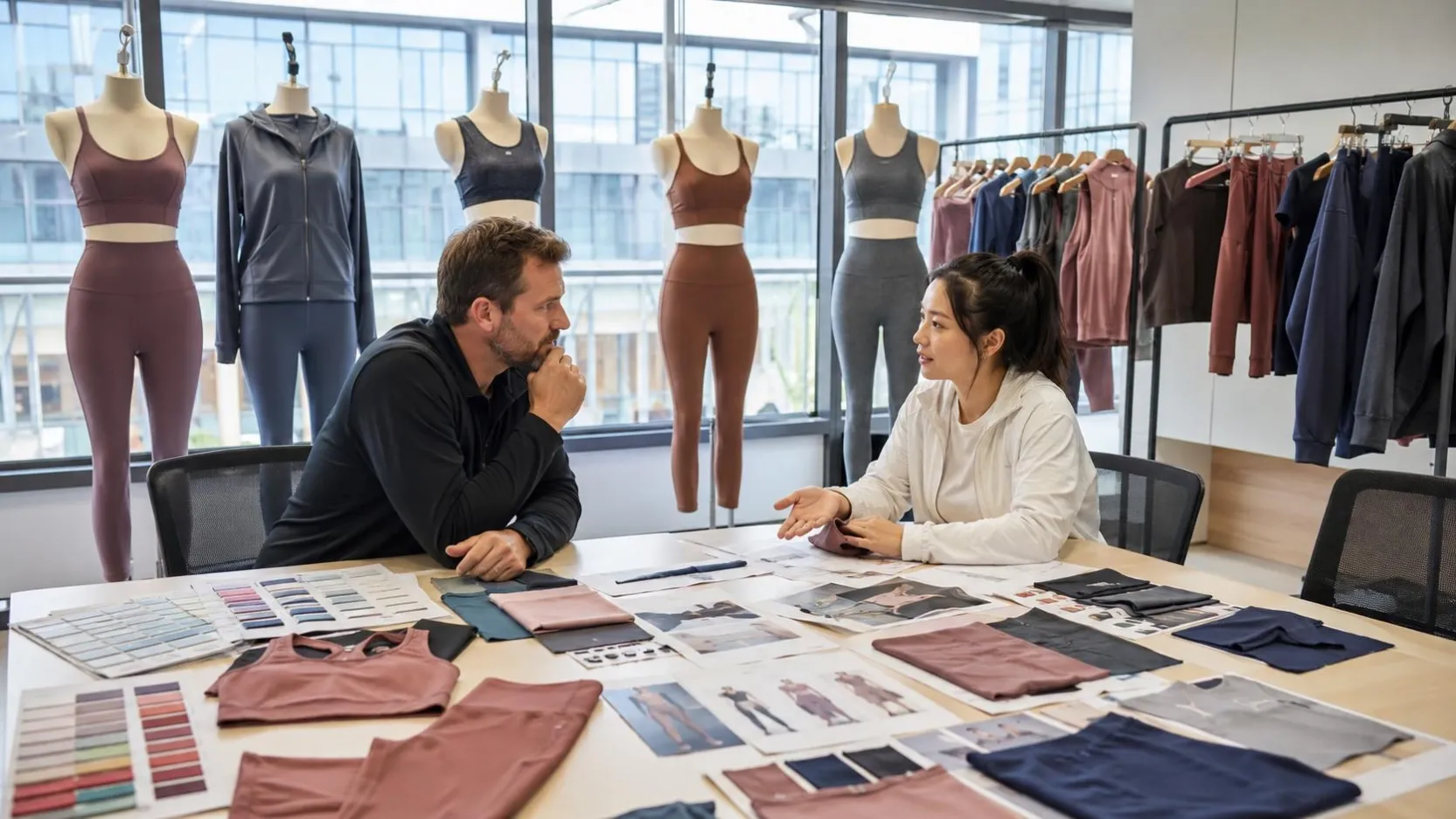
Before bulk production begins, the brand and manufacturer need to confirm the product's fabric, fit, measurements, construction, trims, and finishing details.
If these requirements are not properly understood, repeated sample revisions may be necessary.
Each additional round can require more development time, shipping, communication, and sometimes new material sourcing.
For an activewear brand preparing for a product launch, these delays can affect photography, marketing campaigns, inventory planning, and the planned release date.
A reliable OEM clothing manufacturer should communicate clearly during product development, identify potential issues early, and help the brand establish a clear approval process.
The objective is not simply to produce a sample quickly.
It is to develop a sample that accurately reflects the product requirements and provides a reliable reference for bulk production.
3. Consistent Garment Quality Matters More Than a Good First Sample
A good prototype is important, but it does not automatically guarantee consistent bulk production.
For example, a yoga leggings sample may have the right fit, fabric stretch, opacity, and stitching quality. The real challenge is maintaining those approved standards across the entire production order.
This is where garment quality control becomes essential.
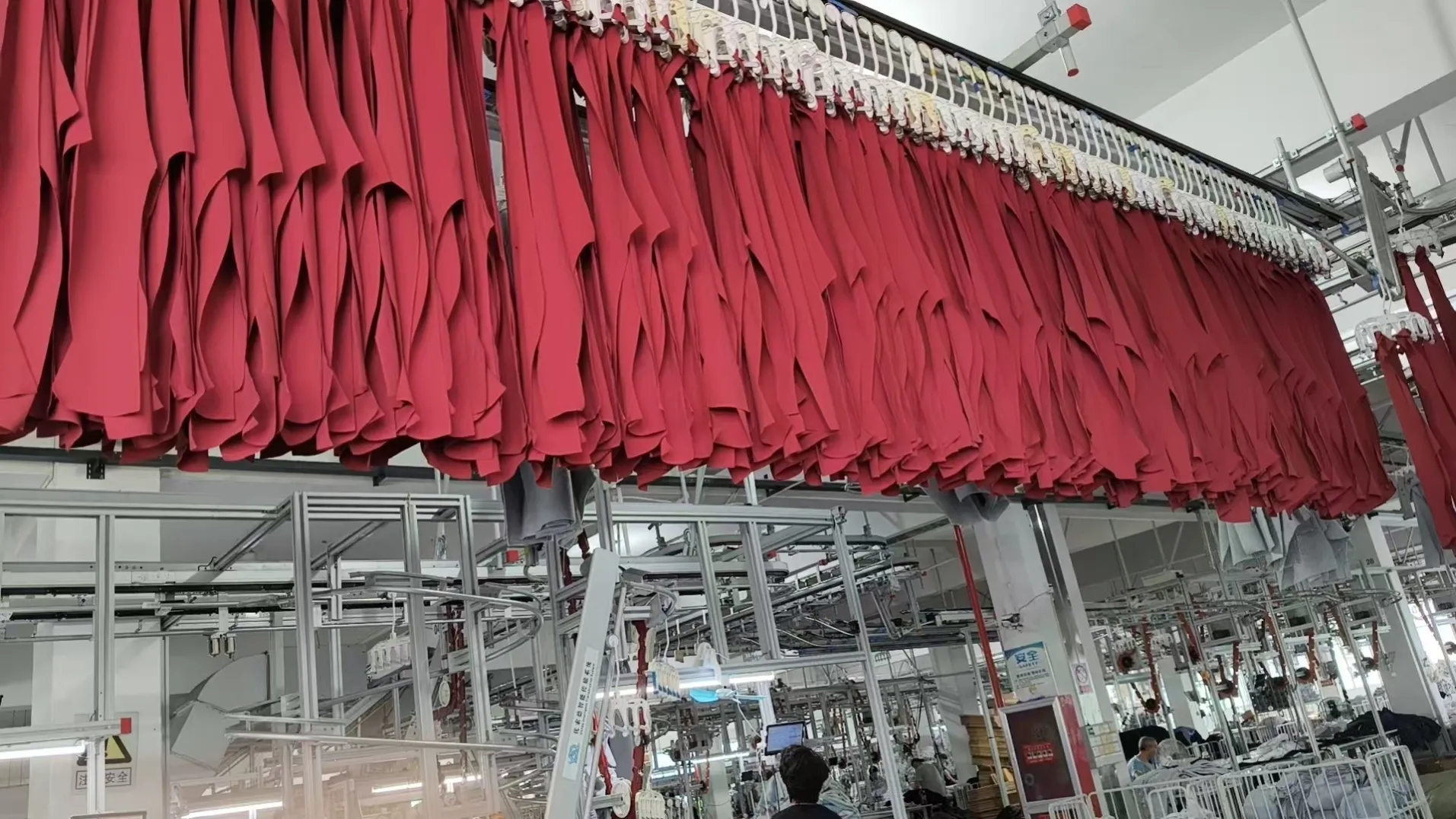
A professional apparel manufacturing process should include appropriate checks at different stages, such as:
- Fabric and material inspection
- Sample and specification approval
- In-line production inspection
- Measurement and stitching checks
- Finished garment inspection
- Packing and pre-shipment checks
The exact inspection plan should depend on the product, order quantity, and agreed quality requirements.
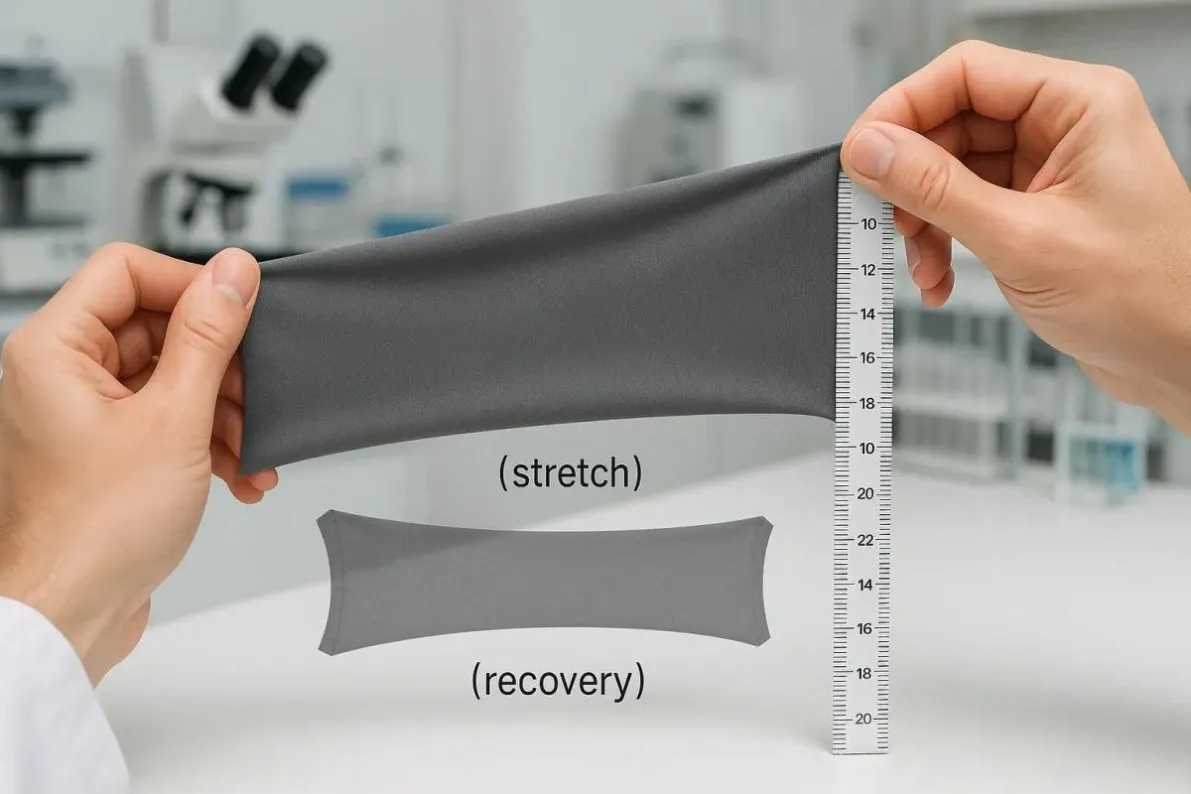
For custom activewear manufacturing, fabric performance, stretch recovery, seam construction, fit consistency, and appearance may all be important.
If quality issues are discovered late, the brand may face rework, additional inspection costs, shipment delays, or customer complaints.
Consistent quality is not just a manufacturing requirement. It is part of protecting a brand's reputation.
4. Communication Can Save Time and Money
Another important factor when choosing an apparel supplier is communication.
What happens when a fabric is unavailable? What if a measurement needs clarification? What if a production issue could affect the delivery date?
A dependable manufacturing partner should communicate these issues early instead of allowing the brand to discover them at the last minute.
Clear communication helps both sides make decisions before small issues become expensive problems.
For international apparel sourcing, this is particularly important because brands and manufacturers may be working across different time zones, languages, and business processes.
Before placing an order, brands should understand how their manufacturer handles:
- Sample feedback and revisions
- Fabric and trim confirmation
- Production schedule updates
- Quality issues and corrective actions
- Shipment planning
- Changes to product specifications
A lower quotation offers limited value if the brand must spend excessive time chasing updates or resolving avoidable problems.
Reliable communication is an important part of reliable manufacturing.
5. Production Lead Time Is Part of the Total Cost
A low unit price may not be attractive if the finished products arrive too late for the planned launch.
For fashion and activewear brands, production timing can affect seasonal sales, inventory availability, promotional campaigns, and cash flow.
A realistic production lead time depends on several factors, including order quantity, fabric availability, product complexity, sampling progress, and production capacity.
For a new product, the timeline should account for sample development and approval as well as bulk manufacturing.
Brands should ask their manufacturer how the production schedule is calculated, what needs to be approved before production starts, and which factors could cause delays.
An experienced clothing manufacturer should provide a realistic timeline based on the actual project rather than promising an aggressive deadline without confirming the details.
The goal is to get the right products to market on time, not simply to receive the shortest estimate.
6. How to Compare Apparel Manufacturers Beyond Price
When evaluating potential OEM or ODM clothing manufacturers, it helps to compare the full manufacturing offer rather than looking at unit price alone.
Here are five questions worth asking before making a decision.
1. What is included in the quotation?
Confirm the scope of materials, custom labels, trims, packaging, and other agreed requirements.
2. How does the manufacturer handle sample development?
Ask about the prototype process, sample revisions, approval requirements, and sample costs.
3. How is bulk production quality controlled?
Understand how the manufacturer checks materials, workmanship, measurements, and finished products.
4. How are production delays or quality problems communicated?
Look for a clear process for identifying issues, discussing solutions, and updating the production schedule.
5. Can the manufacturer support future orders?
Consider whether the supplier can maintain product specifications and quality standards as your brand grows.
These questions help brands evaluate supplier reliability, manufacturing capability, and the potential long-term cost of working together.
7. Why the Right Manufacturing Partner Creates Long-Term Value
For an emerging brand, finding a manufacturer that accepts its product requirements and budget is important.
For an established brand, consistency, communication, quality, and dependable production planning may become equally important.
The right partner should understand the product, communicate honestly, and work with the brand to resolve issues before they become bigger problems.
At Lucky Life Gear, we support custom apparel and activewear projects through product development, sample making, material coordination, and bulk manufacturing.
Whether you are developing yoga leggings, sports bras, matching activewear sets, or other custom apparel, clear specifications and communication help establish a stronger foundation for production.
We believe a good manufacturing relationship should be built on trust, consistency, and shared expectations — not simply the lowest quotation.
Frequently Asked Questions
Is the cheapest apparel manufacturer always the best choice?
No. A low unit price can be attractive, but brands should also consider sample development, garment quality, communication, production lead time, and potential rework costs. The best choice depends on the complete project requirements and total cost.
What should brands look for in an activewear manufacturer?
Brands should evaluate product development capabilities, fabric sourcing, sample quality, bulk production consistency, quality control, communication, minimum order quantities, and realistic lead times.
How can brands reduce hidden apparel manufacturing costs?
Start with clear product specifications, confirm fabric and trims early, approve the sample before bulk production, agree on quality standards, and establish a clear process for production updates and problem resolution.
What is the difference between a low quotation and good manufacturing value?
A low quotation focuses on the initial price. Good manufacturing value considers the price alongside quality, development efficiency, delivery reliability, communication, and the cost of resolving potential problems.
Looking for an Apparel Manufacturer for Your Next Project?
Choosing the right manufacturing partner starts with understanding your product requirements.
If you are sourcing a new activewear or apparel collection, Lucky Life Gear can discuss your product concept, target quantity, fabric requirements, and development needs.
Share your tech pack, reference photos, or product specifications with us. We can review your requirements and discuss the next steps for sample development and bulk production.
Have a project in mind? Contact Lucky Life Gear to discuss your custom apparel manufacturing needs.