Sep 5, 2026Activewear Product Development
Why a New Product Shouldn’t Start With “How Fast Can You Make It?”
A faster production timeline doesn’t always mean faster time to market. Learn why proper product development, sample approval, and quality control matter.
Why a New Product Shouldn’t Start With “How Fast Can You Make It?”
When developing a new apparel or activewear product, one of the first questions a brand may ask a clothing manufacturer is:
“How fast can you make it?”
It is a completely reasonable question.
For brands working toward a specific launch date, every day matters. Delays in product development, sample making, fabric sourcing, or bulk production can quickly affect the entire apparel manufacturing timeline.
But there is another question that is just as important:
“Are we ready for bulk production yet?”
Product Development Comes Before Bulk Production
Recently, a client was concerned that delays during the development stage were affecting her timeline. She also noticed that the estimated bulk production timeline was around 90 days and felt that this was too long for her planned launch.
We completely understood her concern.
However, the proto sample had not yet been approved.
That meant several important parts of the product development process still needed to be confirmed, including:
- Fabric selection
- Fit and measurements
- Garment construction
- Design details
- Functional requirements
- Sample quality
- Production specifications
At this stage, simply asking an apparel manufacturer to shorten the production schedule does not necessarily make the project faster.
The priority should be getting the product right before moving into bulk manufacturing.
Why Rushing Sample Development Can Create Bigger Delays
A new garment can look straightforward on a tech pack or CAD drawing, but the actual manufacturing process often reveals details that need to be adjusted.
The fit may not be right.
The fabric may not perform as expected.
A seam or construction detail may need to be changed.
A design feature may create a production challenge.
These issues are much easier to solve during prototype sample development than after bulk production has started.
For example, making an adjustment to one prototype sample is very different from discovering the same problem after thousands of garments have already been manufactured.
The earlier a problem is identified, the easier and less expensive it is to fix.
This is why professional garment manufacturers treat sample development and quality control as important parts of the manufacturing process rather than simply steps that delay production.
A Better Apparel Manufacturing Timeline
For a new clothing or activewear project, a structured development process can help reduce production risks.
1. Confirm Fabric and Materials
Before finalizing a garment sample, the fabric and other materials should be checked against the product requirements.
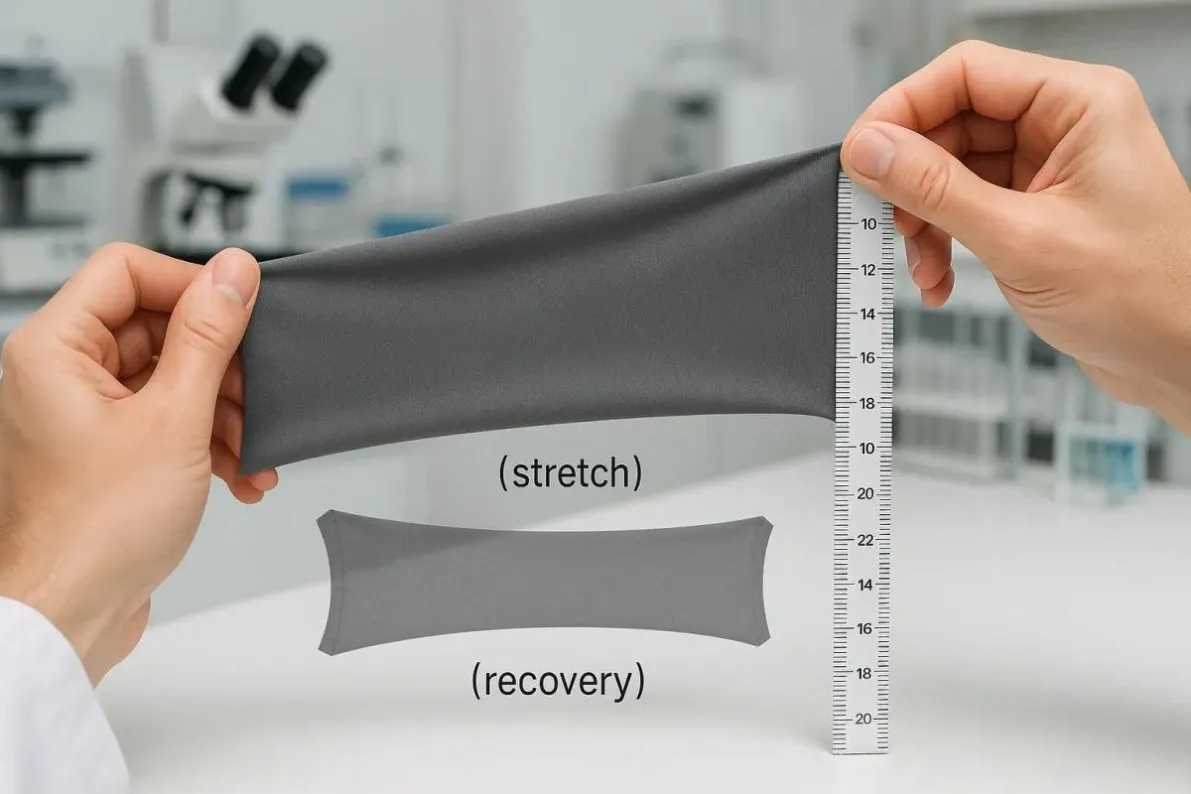
For activewear manufacturing, this can include considerations such as fabric weight, stretch, recovery, hand feel, opacity, durability, and performance requirements.
Choosing the right material at the beginning can prevent unnecessary changes later.
2. Develop the Proto Sample
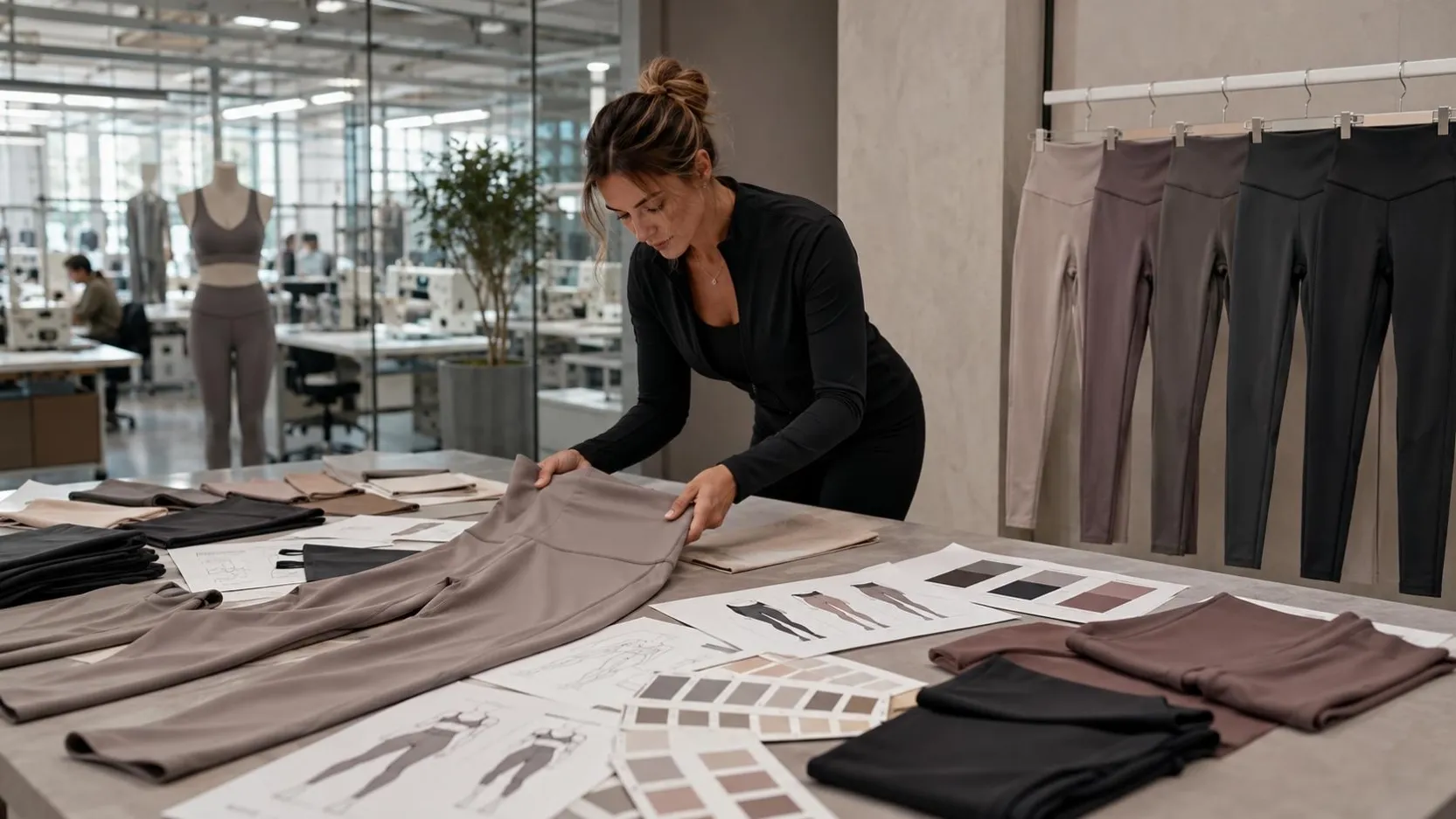
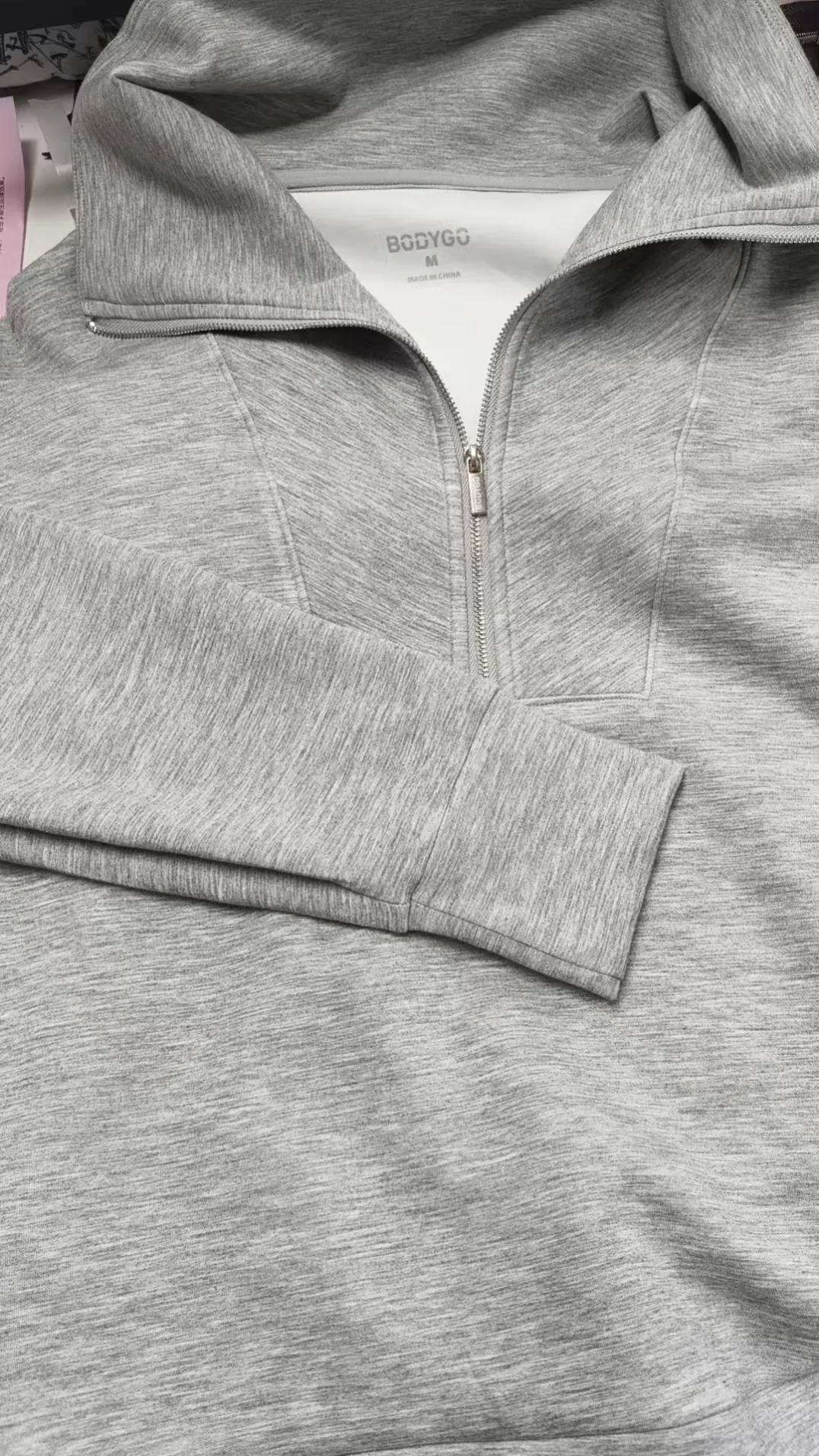
The proto sample provides the first physical version of the product.
It allows the brand and manufacturer to evaluate important details that may not be fully visible in a tech pack or digital design.
This stage is particularly important for custom apparel manufacturing, where fit, construction, fabric behavior, and finishing details can directly affect the final product.
3. Review Fit and Construction
Once the sample is completed, the brand can review:
- Fit
- Measurements
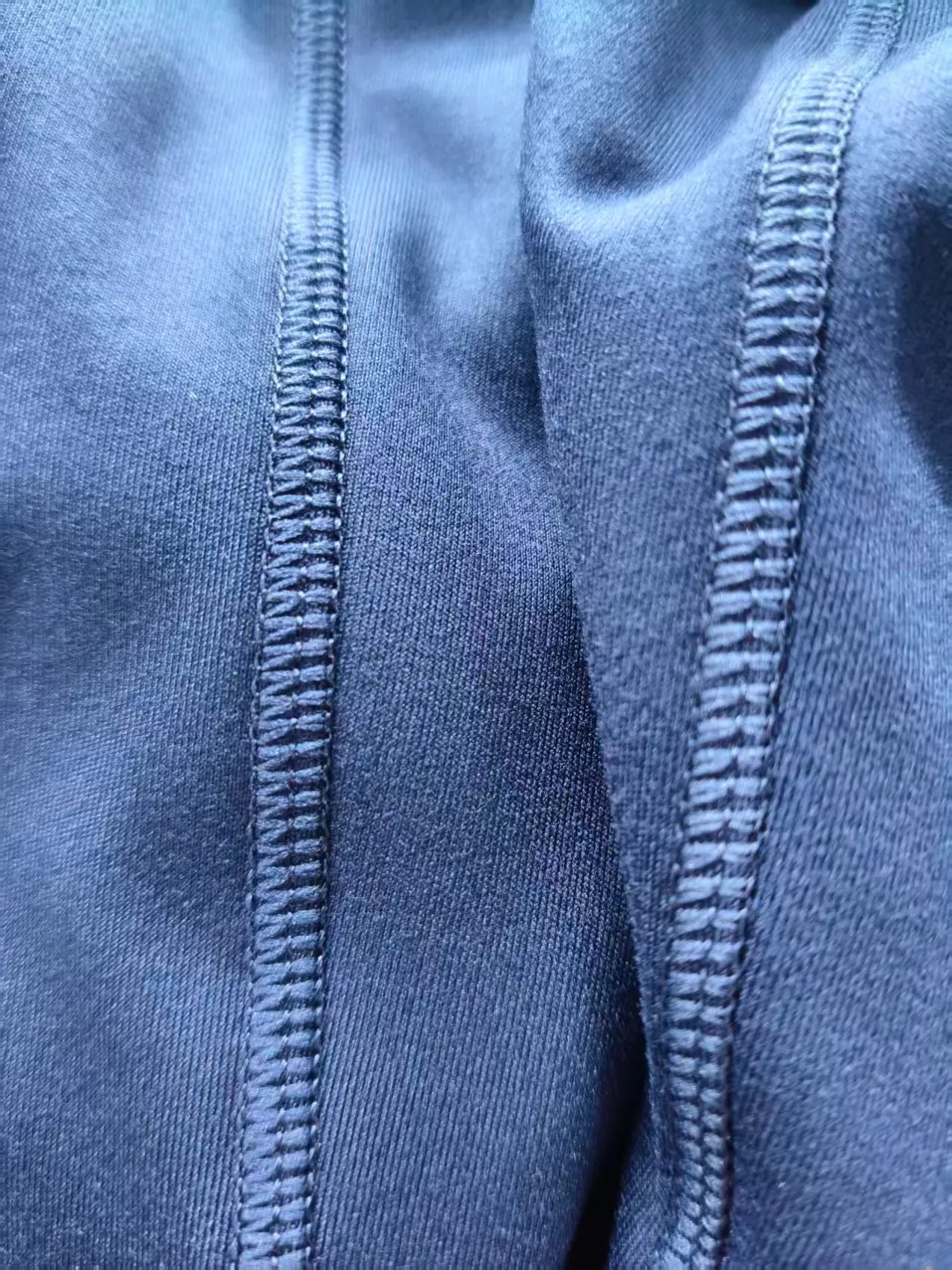
- Seam construction
- Stitching
- Fabric performance
- Design details
- Labels and trims
- Overall appearance
Any necessary changes should be made before production approval.
4. Approve the Final Sample
After revisions, the final sample becomes an important reference for bulk garment production.
A clearly approved sample helps the production team understand exactly what needs to be manufactured and reduces uncertainty during mass production.
5. Confirm the Bulk Production Schedule
Once the product, materials, specifications, and sample are confirmed, the manufacturer can provide a much more realistic production timeline.
The actual lead time may depend on factors such as:
- Order quantity
- Fabric availability
- Material sourcing
- Production capacity
- Garment construction
- Quality requirements
- Packaging requirements
This is why a reliable OEM clothing manufacturer should evaluate the complete project before making a firm production commitment.
What Does a Good Manufacturing Partner Do?
A good manufacturing partner should help a brand move faster — but not by simply promising the shortest possible lead time.
The goal is to create a manufacturing process that balances:
Speed + Quality + Production Feasibility
For brands working with an apparel OEM manufacturer, this balance is especially important when developing a new product.
An experienced manufacturer should be able to identify potential production issues during DFM, sample development, and pre-production, rather than waiting until bulk manufacturing begins.
This approach helps reduce rework, production delays, material waste, and quality problems.
Faster Production Does Not Always Mean Faster Time to Market
It can be tempting to focus only on the number of days required for bulk production.
But the real question is not:
“How quickly can you manufacture this product?”
The better question is:
“How quickly can we get the right product to market?”
These are not always the same thing.
A product that moves into bulk production too early may encounter problems that create much longer delays later.
By contrast, a well-developed product with an approved prototype, confirmed materials, clear specifications, and defined quality standards can enter bulk manufacturing with much greater confidence.
The Right Manufacturing Strategy Starts Before Production
At Lucky Life Gear, we believe successful apparel manufacturing starts with proper product development.
From fabric selection and prototype sample development to fit approval, production planning, quality control, and bulk manufacturing, each stage contributes to the final product.
Sometimes, spending a little more time during development can save significantly more time during production.
Because fixing a problem before bulk production is always different from fixing the same problem after thousands of pieces have already been manufactured.
The fastest route to market is not always the shortest production timeline.
It is the manufacturing process that gets the right product into production with the right specifications, quality, and confidence.